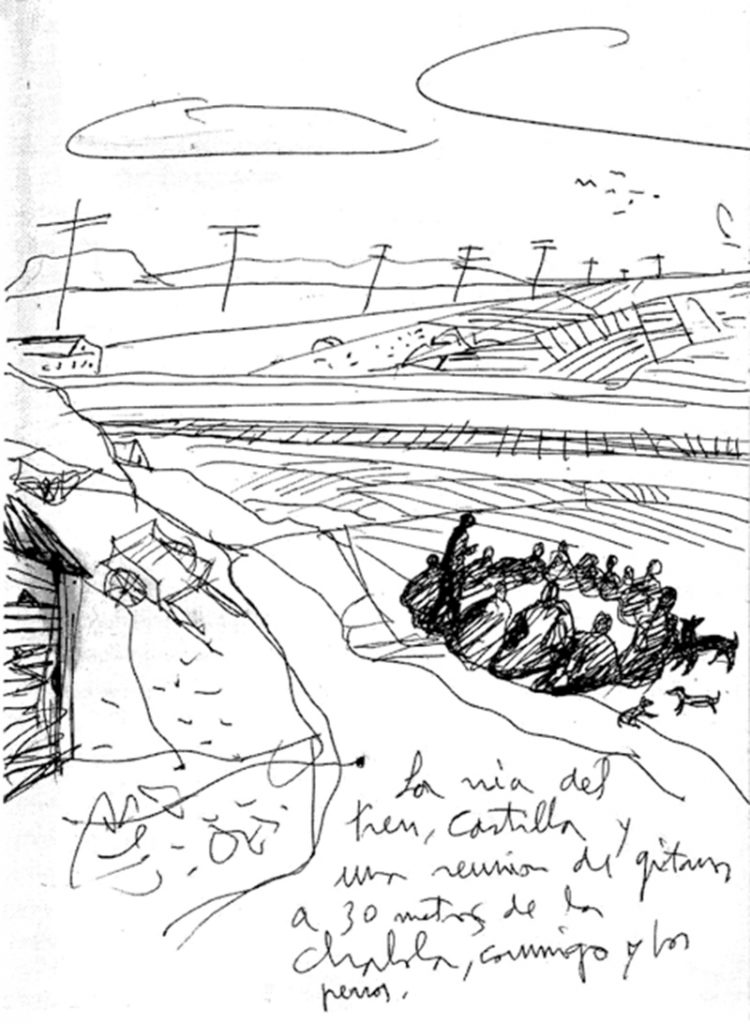
Drawing by Kiko Argüello taken from his book Anotaciones (Notes) (p. 245), which shows the proximity of the place of martyrdom—the railroad tracks—to the shack where he lived and witnessed come to life, together with the Servant of God Carmen Hernández, of the Neocatechumenal Way in 1964.
On December 13 of this Holy Jubilee Year 2025, the feast day of Saint Lucy, virgin and martyr, the Beatification Ceremony of 124 martyrs took place in the Cathedral of Jaén, during the Solemn Eucharist presided over on behalf of Pope Leo XIV by Cardinal Marcello Semeraro, Prefect of the Congregation for the Causes of Saints, accompanied by the current Bishop of Jaén, Sebastián Chico Martínez, other bishops, and Cardinal Rouco. The cathedral was filled with the faithful, most of whom were relatives of those beatified. Detailed information about the event can be found at this link:
The postulator has received from Cardinal Semeraro a copy of the Apostolic Letter of Leo XIV, in which the Pope emphasized that the blessed were:
“…heroic and steadfast witnesses of the Lord Jesus, for whose love they did not fear to shed their own blood, may henceforth be called Blessed and may be celebrated on November 6 of each year, in the places and forms established by law. In the name of the Father, the Son, and the Holy Spirit. Amen.”
Among the recognized group are 109 priests, one Poor Clare nun, and 14 lay people. All of them were killed between 1936 and 1938 for refusing to renounce their faith. “The priests were killed solely and exclusively because they were priests, and the lay people were killed because they saw in them the reflection of the ecclesial community,” explained Andrés Nájera, vice-postulator of the cause for beatification, during the Eucharist of beatification. In his homily, Cardinal Semeraro emphasized the martyrdom spirit of the Diocese of Jaén throughout history, which makes it “the cradle of martyrs and a land abundantly watered with the blood of martyrs.” He then highlighted some words from the Pastoral Letter of the Bishop of Jaén about these martyrs: “Their only weapon was love. And they died forgiving their executioners… This martyrdom forgiveness is the most sublime fruit of hope that does not surrender to evil.”
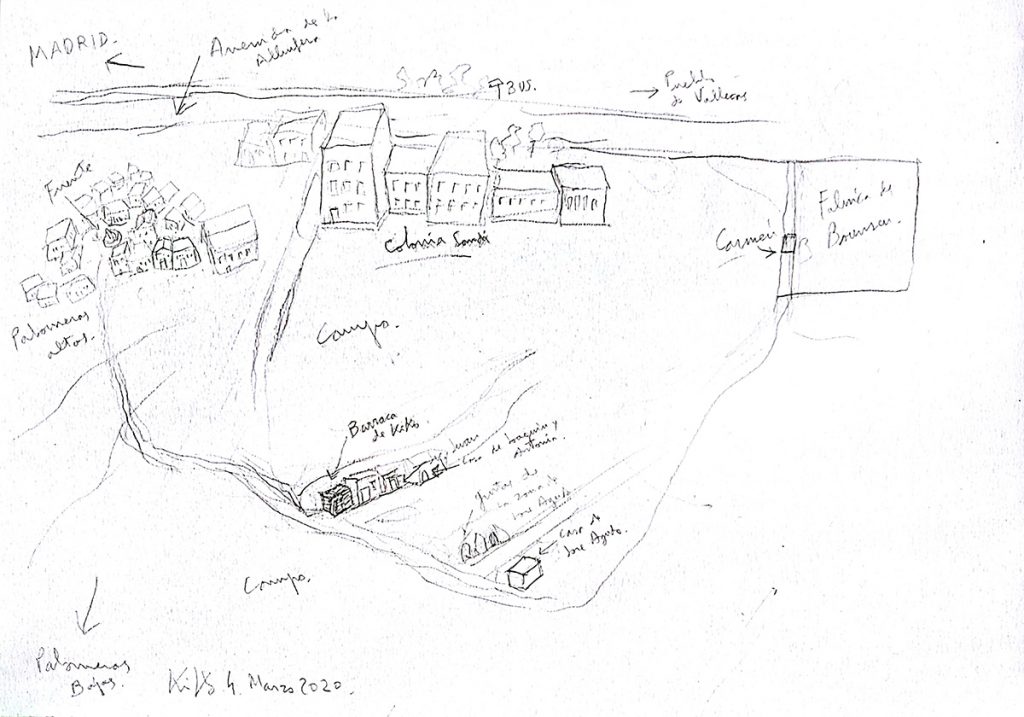
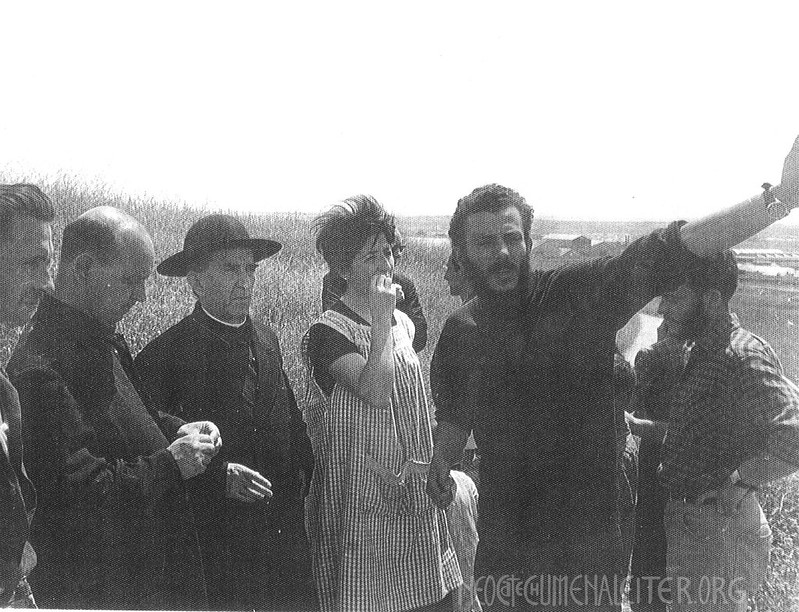
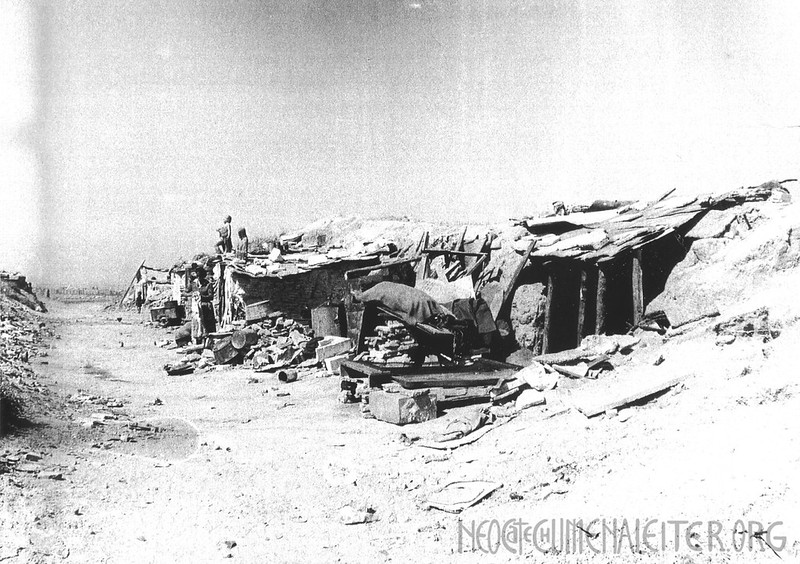
Among the lay people beatified are Teresa Basulto Jiménez and Mariano Martín Portella, a married couple—a rare occurrence during the Spanish Religious Persecution—who were murdered along with Teresa’s brother, Manuel Basulto, Bishop of Jaén, and the Vicar General and Dean of the Cathedral, Don Félix Pérez Portela, in Palomeras (Madrid), both beatified by Pope Francis in 2013. All of them were murdered on August 12, 1936, near the shack where Kiko Argüello went to live in 1964. Abandoning a promising career as a painter, he left everything behind and went to live with the poor in the shantytowns of Palomeras Altas. There, thanks also to Carmen Hernández, the embryo of a Christian Initiation that would become the Neocatechumenal Way emerged: officially recognized by the Holy See in 2008 and currently present in 138 nations.
It was precisely in Palomeras that the largest public execution took place during the Spanish Civil War, in which an as yet undetermined number of brothers died for their faith, along with the only bishop murdered in Madrid, Monsignor Basulto. 254 people arrested for religious reasons and crammed into the Cathedral of Jaén were traveling on the so-called Death Train to the prison in Alcalá de Henares to theoretically relieve congestion there, when they were made to get off at the then Saint Catherine stop, in front of the barracks of Palomeras, to be murdered in front of more than two thousand people who had gathered there to witness the events and cheer on the murderers. Monsignor Basulto, who had been insulted and humiliated throughout the journey, fell to his knees shortly before his death, exclaiming: “Forgive me, Lord, for my sins, and forgive my murderers too.” Shortly afterwards, his sister Teresa commented: “This is an outrage,” exclaimed his sister Teresa, “I am a poor mother. One of the murderers said to her: ”Don’t worry, a woman will kill you.“ Immediately afterwards, a woman named Josefa Coso ”La Pecosa” [sinful woman] approached and shot Teresa at point-blank range, killing her instantly. The causes for beatification of those martyred that day in the same place remain open.
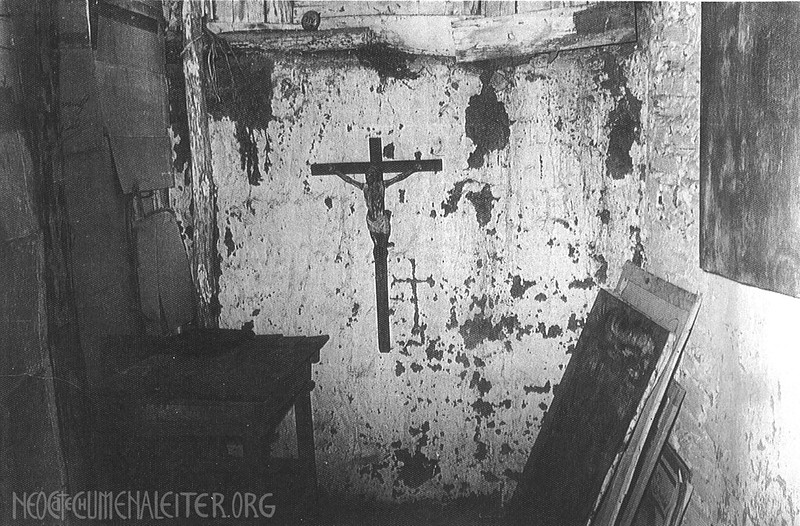
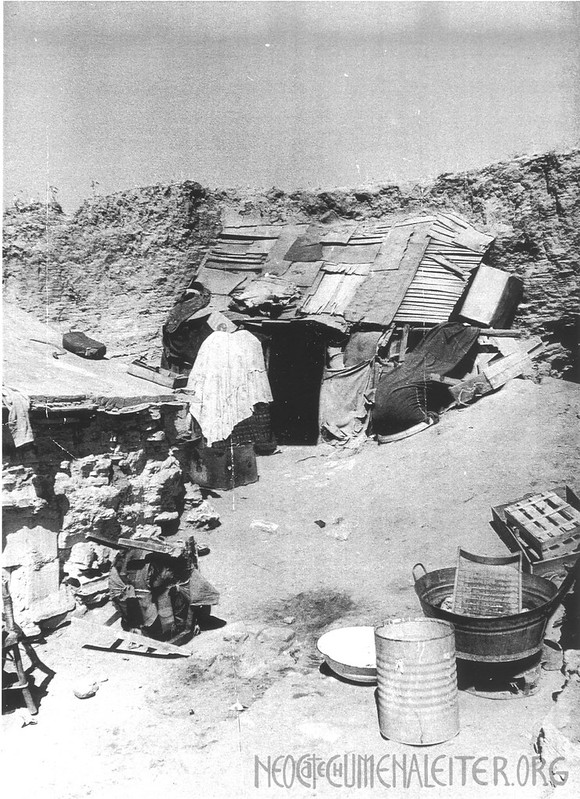
It was Kiko himself who linked the martyrs to the birth of the Neocatechumenal Way, expressing it as follows:
Spain has given us Cursillos de Cristiandad, Opus Dei, the Neocatechumenal Way, and everything else you could want. Do you know why? Because there was a Spanish Civil War in which more than 6,000 priests were killed, tortured, martyred: there has not been a single apostasy. The roots of the Neocatechumenal Way are bathed in the blood of many martyrs in Spain.”
Detailed information about these 124 new martyrs who have been declared blessed can be found on the dedicated website of the Diocese of Jaén:
As well as his relationship with the origins of the Neocatechumenal Way in an article published in Religión en Libertad: