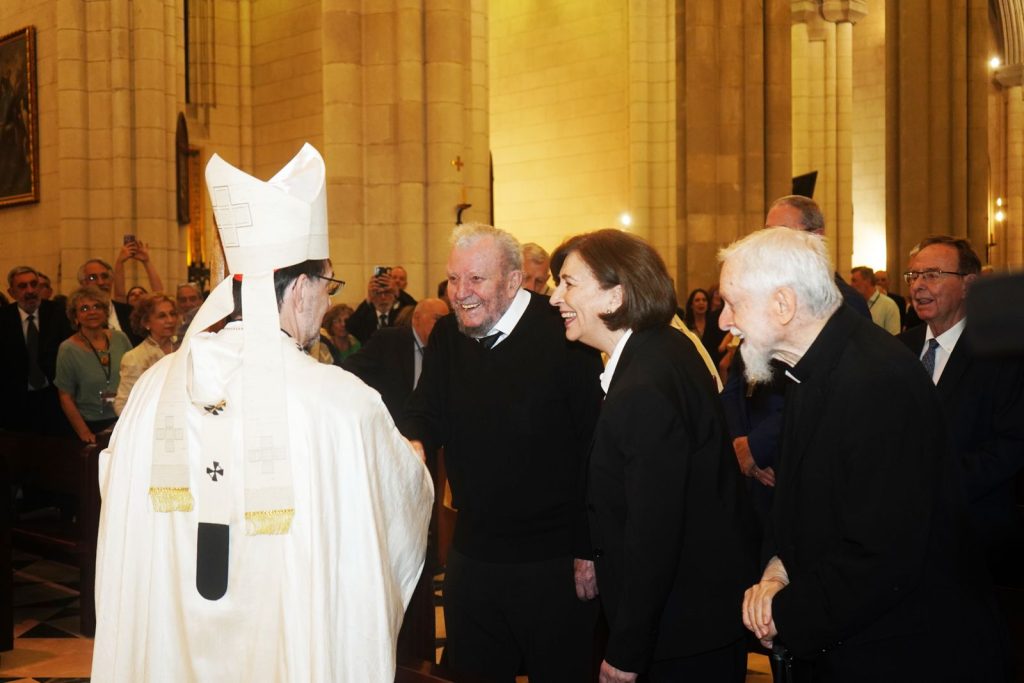
Together with the Initiators at Madrid Cathedral
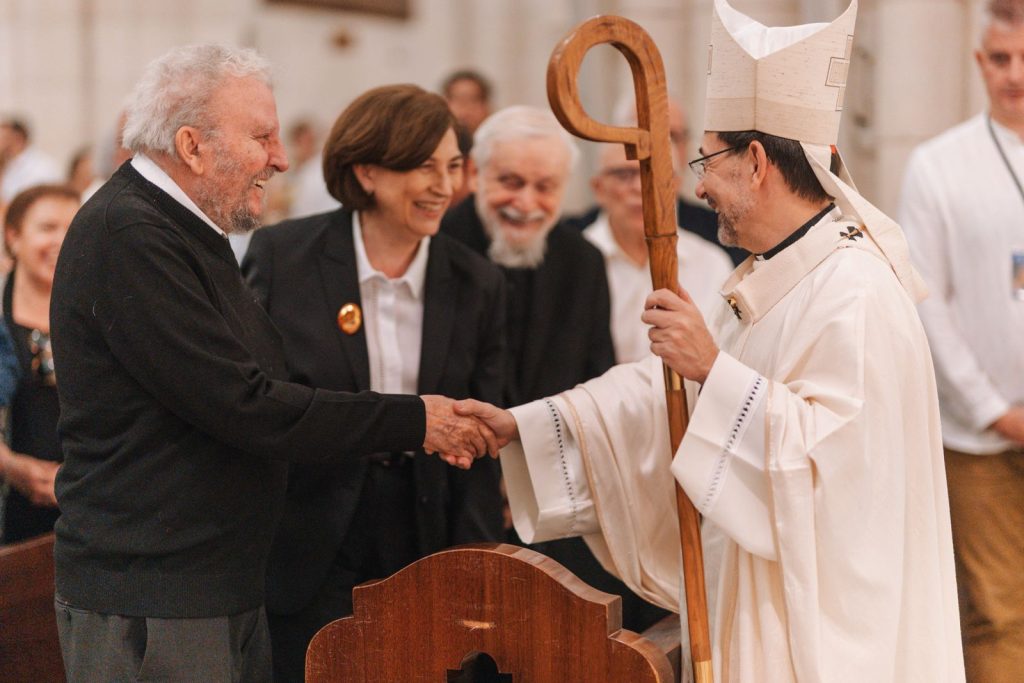
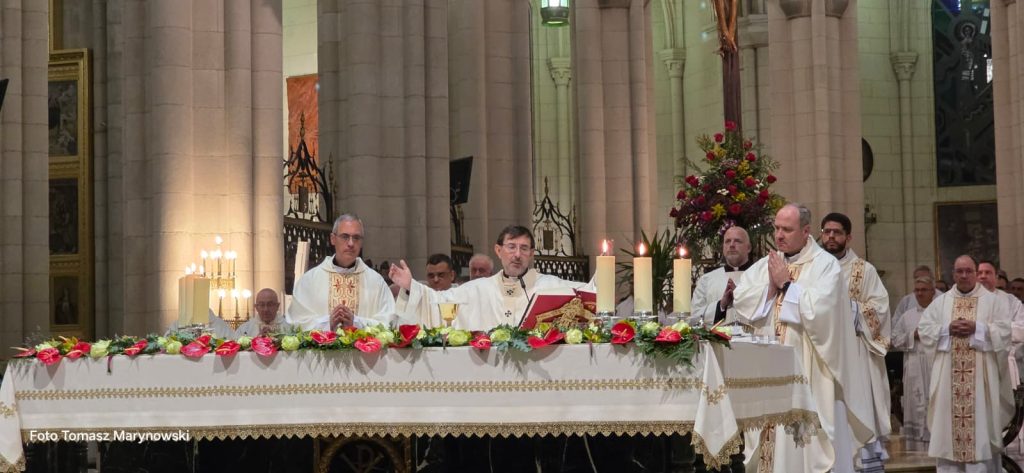
Against the evocative backdrop of Madrid’s La Almudena Cathedral, adorned with icons by Kiko Argüello—whose Byzantine-style compositions and modern color palette reflect the wonder—that divine quality evoked by every cathedral—the 60th anniversary of the founding of the Neocatechumenal Way was celebrated here, in Madrid, where 60 years ago, in one of its outlying neighborhoods, Palomeras Altas, it was born and took its first steps.
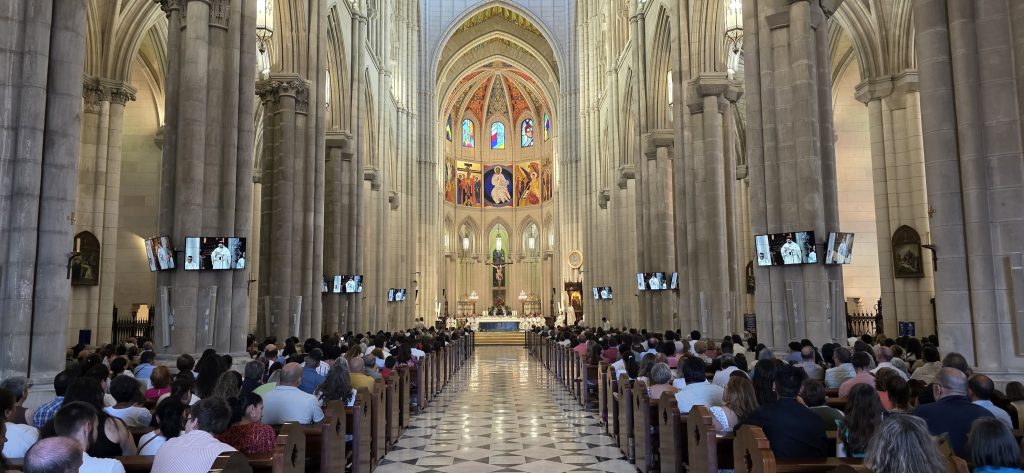
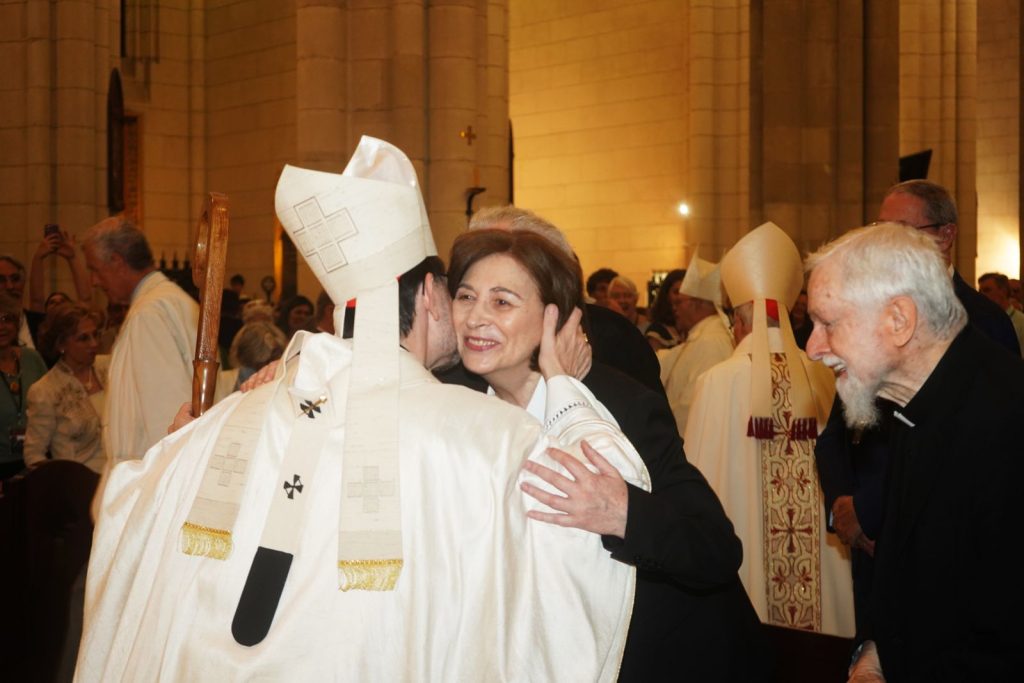
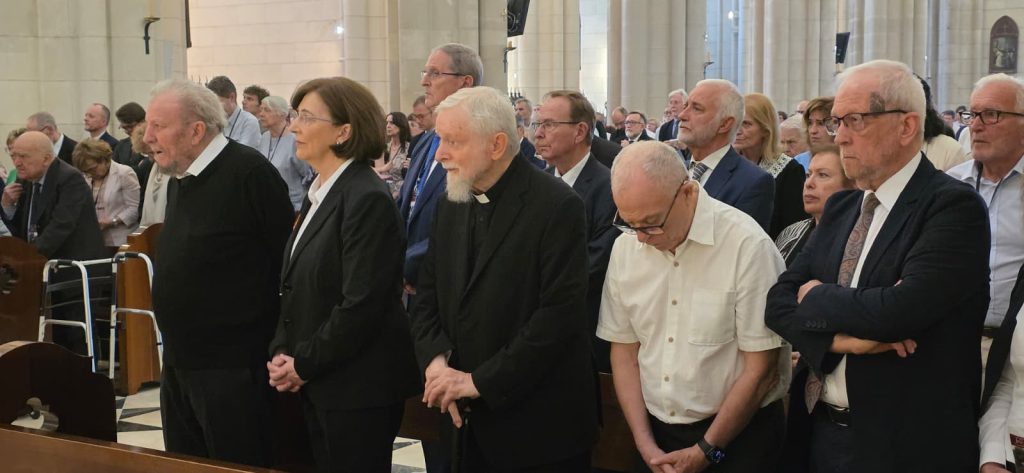
The celebration was presided over by Cardinal José Cobo, Archbishop of Madrid, accompanied by Cardinal Antonio María Rouco, Archbishop Emeritus of the same diocese, and seven other bishops from Spanish dioceses (Alcalá, Getafe, Vitoria, the Military Ordinary of Spain, and the bishops emeritus of Alcalá and El Callao). The celebration also included more than 130 priests and many itinerant catechists, who had come from all five continents to celebrate the event, in the presence of thousands of brothers and sisters of the Way belonging to the communities of the nearest dioceses—it would not have been possible to invite others due to capacity issues—who filled the cathedral and all the surrounding areas in front of large screens that allowed them to participate in the event.
The cordial greeting from Pope Leo, signed by the Secretary of State, Cardinal Pietro Parolin, read at the end of the celebration, captures and affirms its deepest meaning, involving the Way in the Church’s mission: “It is necessary to remember that the evangelizing mission is the fundamental task of the entire Church, which, with joy and humility, seeking the unity of all its members (cf. LG 7), and docile to the action of the Holy Spirit, strives to bring the gift of salvation to all. May this conviction be a motivation to take up the missionary commitment on behalf of God’s beloved children. With these sentiments, Pope Leo XIV, while accompanying them with prayer and imploring the intercession of the Blessed Virgin Mary, Mother of God,” imparts his apostolic blessing to all.
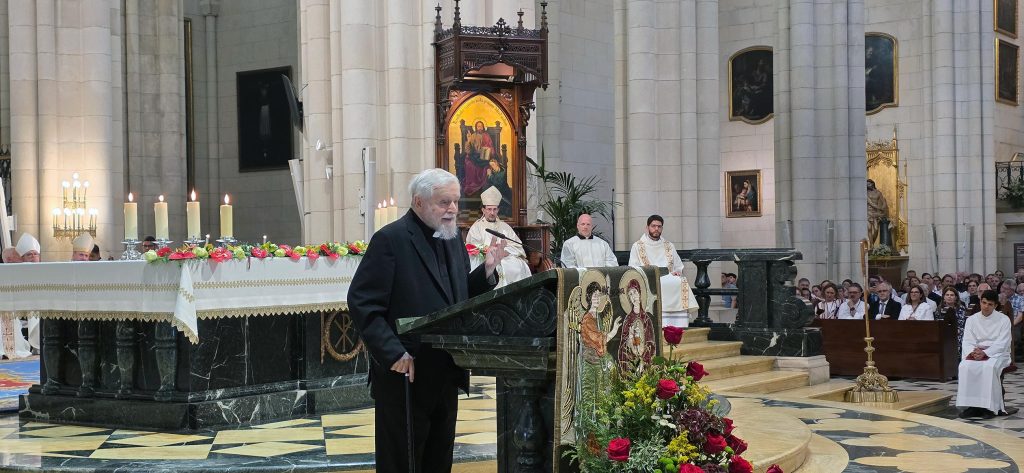
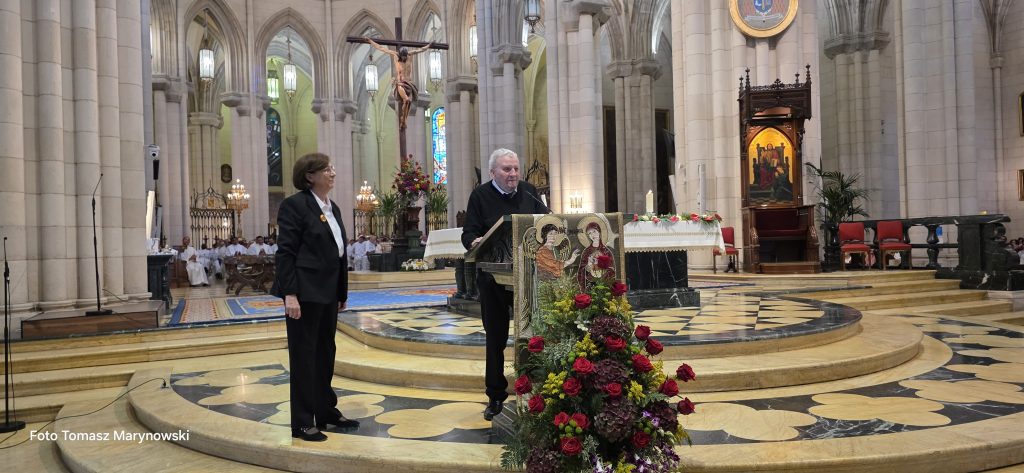
In his opening remarks, Kiko Argüello—who, together with the Servant of God, Carmen Hernández, has been the precious instrument through which God has worked to carry out this magnificent work of Christian Initiation that is the Neocatechumenal Way—present today in 138 countries around the world, with more than 20,300 communities— briefly recounted the beginnings of this journey among the shantytown dwellers of Palomeras Altas, where the Lord led him to encounter Him in late November 1964. “I gave up painting for the Lord,” he affirmed, “and He rewarded me in a way I could never have imagined: by inviting me to paint the apse of La Almudena Cathedral. That is why I am happy to celebrate this Mass here, in the cathedral.”
Kiko later recalled with joy that June 2 marks the conclusion of the diocesan phase of the canonization process for Carmen, the woman whom God placed by his side from the very beginning, so that through her spiritual and theological training she might support him and help him develop a catechumenal journey suited to today’s world and Church. With the blessing of the then Archbishop of Madrid, Bishop Casimiro Morcillo, who personally traveled to Palomeras Altas to halt the demolition of the shanties ordered by the government—having witnessed the work the Lord was doing among those poor people— and his invitation to extend it to other parishes, the beginning of the Way received its consecration, to carry out the revelation that the Blessed Virgin made to Kiko: “We must form Christian communities like the Holy Family of Nazareth, who live in humility, simplicity, and praise. The other is Christ.”
He also recalled with emotion his meeting with Pope Paul VI in Rome when, after a general audience, the Pope told him, “Be humble and faithful to the Church, and the Church will be faithful to you.” Kiko’s moving address was frequently interrupted by applause from the assembly.
The most impressive aspect of the entire celebration was the participation of those present, who—especially during the singing of hymns composed by Kiko himself—literally burst with joy, and their voices soared up through the cathedral’s vaults with a fullness and strength that only a true assembly can express. It was truly moving to witness how the Way of Christian initiation and ongoing formation in the faith, which all these brothers and sisters are undertaking, became a song of true ecclesial communion and a blessing to the Lord. Only a mature assembly can express such exultation of gratitude to the Lord within the Church.
Cardinal José Cobo also recalled with gratitude in his homily the early days of the Neocatechumenal Way in Madrid, among the shantytowns of Palomeras Altas. “That small seed, at the end of the Council, was welcomed and discerned by Bishop Casimiro Morcillo, who recognized in it a call from the Spirit for the evangelization of the entire Church. Sixty years later, we are here to give thanks for God’s faithfulness, which continues to open new paths for proclaiming the Gospel and calls the Church to face the challenges of every age, drawing from the Word of God, liturgical life, and community.” The Way, he affirmed, is called today as well to listen to the Spirit and to take creative steps to keep pace with the times—so different today—in an increasingly ecclesial service. Indeed, as the Catechism also reminds us, charisms are constitutive of the nature of the Church and are poured out by the Holy Spirit for the common good of the entire Church.
Before the final blessing, along with Pope Leo’s brief but profound greeting, quoted above, a message from Cardinal Kevin Farrell, Prefect of the Dicastery for Laity, Family, and Life, was also read:
“On the occasion of the solemn Eucharistic celebration that brings you together at the Cathedral of Our Lady of Almudena in Madrid to give thanks to the Lord on the 60th anniversary of the founding of the Neocatechumenal Way, I wish to extend to all of you my warmest greetings and my heartfelt closeness in prayer.”
The Prefect of the Dicastery, who, on behalf of the Holy See, approved the Statutes of the Way, recalled how Spain has given the Church “shining examples of Christian life and spiritual renewal through saints, martyrs, evangelization initiatives, schools of prayer, ecclesial movements, and spiritual currents. Among these, we can undoubtedly include the Neocatechumenal Way, born of the fruitful encounter between its two founders, Kiko Argüello and Carmen Hernández Barrera, and the poor in the most humble neighborhoods of Madrid.”
Cardinal Farrell cited the various fruits that have sprung from these “humble beginnings”: “the drawing of many people to the faith and to the Church, countless conversions, the birth of Christian families, vocations to the priesthood and religious life, and missionary activity in numerous countries around the world.” He stated: “It can be said that ‘from the tree’ of Christian initiation—rediscovered and put into practice by reviving the ancient ecclesial tradition of the catechumenate—many other ‘branches’ have also sprung forth that have done and continue to do much good for the Church: itinerant catechists, diocesan missionary seminaries, missionary families, new parishes founded in mission territories, the evangelizing activity of the ‘missio ad gentes,’ formation and accompaniment programs for adolescents after Confirmation, and for young adults through the practice of monthly lectio divina and annual summer pilgrimages.”
The cardinal concluded by stating that all these gifts must be safeguarded and nurtured by all the brothers of the Way’s communities for the good of the Church, in a world that has undergone a profound transformation since the post-conciliar years, carrying “the ever-relevant treasure of faith and ecclesial tradition, just as the founders of the Way did 60 years ago. “Imitate their example of creativity, boldness, and frankness, of filial obedience to the shepherds of the Church, and of tireless zeal for the good and salvation of souls.”
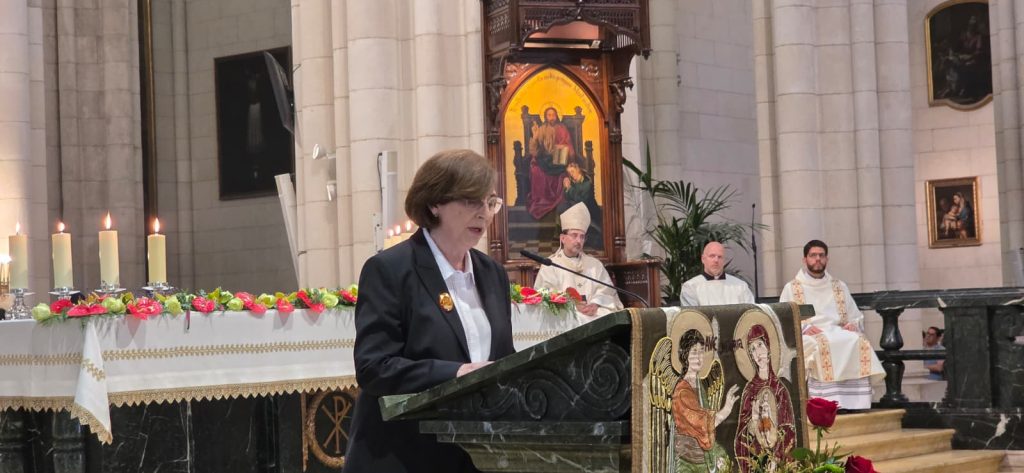
Gratitude, celebration, and joy were evident on the faces of everyone present at the end of the celebration: young and old, entire families, accompanied by many children, even the youngest ones. A sense of exultation surrounded the founders of this “ecclesial adventure,” which today extends to the ends of the earth. Kiko, deeply happy and grateful for this event, and Carmen, who was also present throughout the celebration, were remembered with gratitude by Kiko, Father Mario, Ascensión, and Cardinal Cobo himself. Cobo, who, in his homily, recalled how in two days the Diocese of Madrid will declare the phase of the canonization process for Carmen Hernández concluded, transferring all proceedings to the competent Roman dicastery to continue and complete—hopefully soon—her journey.
Ezechiele Pasotti