Cardinal Cobo Cano presides over Holy Mass to mark the 60th anniversary of the Neocatechumenal Way and the closing ceremony of the diocesan phase of the beatification process for the Servant of God Carmen Hernández.
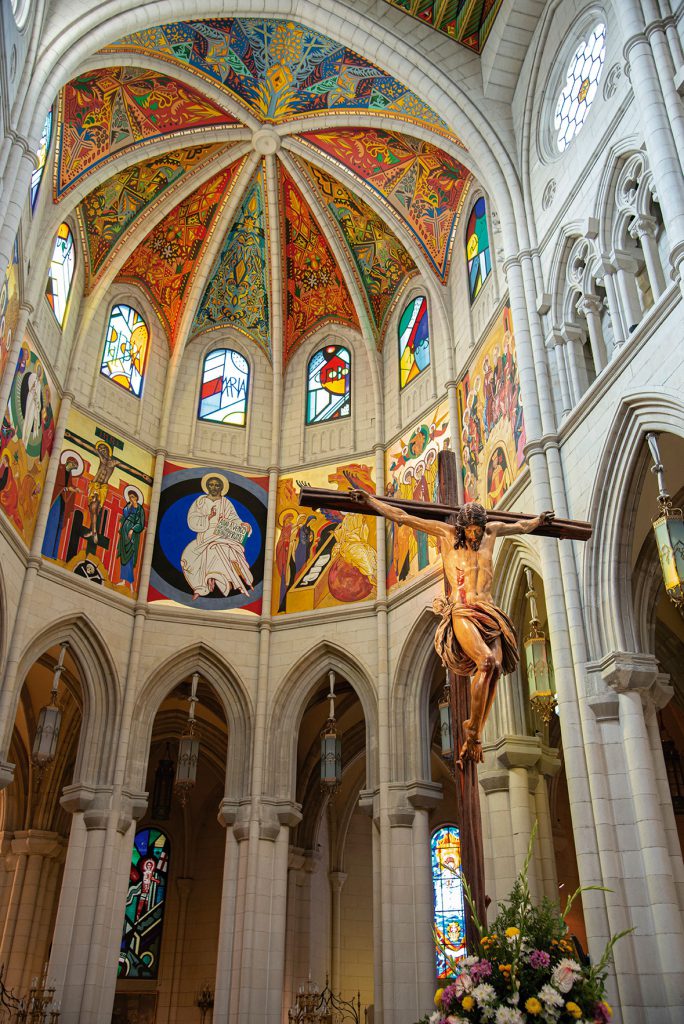
On Saturday, May 30, at 8:00 p.m., Cardinal José Cobo Cano, Archbishop of Madrid, will preside over the Eucharistic celebration at the Cathedral of Our Lady of Almudena, marking the 60th anniversary of the founding of the Neocatechumenal Way. Several bishops and more than 100 priests will concelebrate. It is a moment of joy that touches the entire reality of the Neocatechumenal Way: this journey of Christian Initiation, lived in small communities and currently present in more than 6,250 parishes across some 1,400 dioceses worldwide, which was born in one of the poorest areas of the Spanish capital.
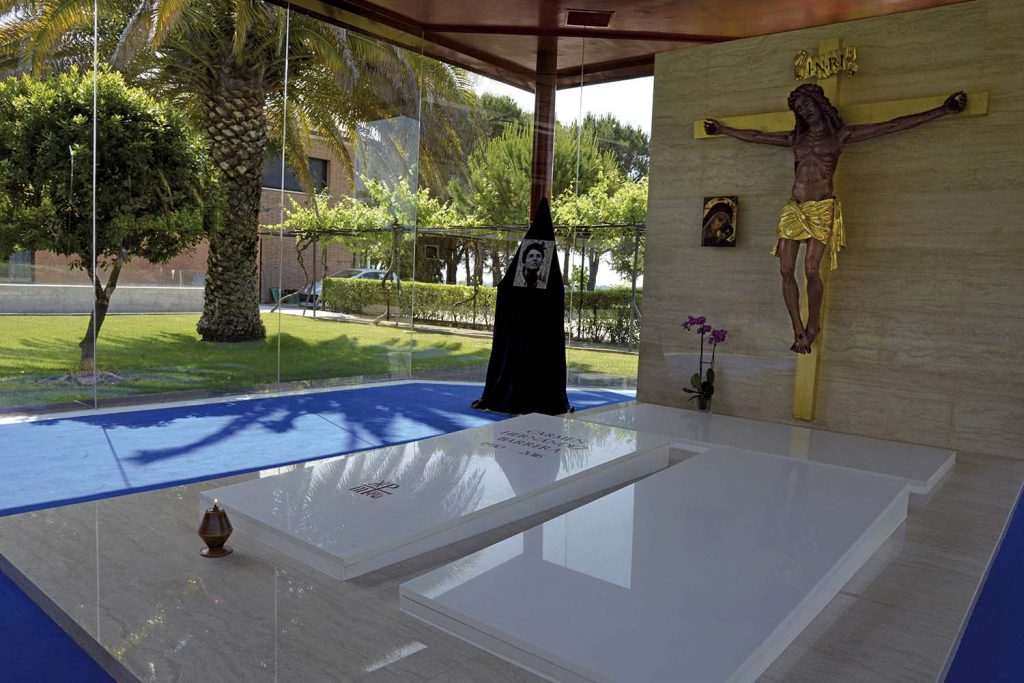
Subsequently, on Tuesday, June 2, at 8:00 p.m., the closing ceremony for the diocesan phase of the beatification and canonization process of the Servant of God Carmen Hernández Barrera will take place at the Redemptoris Mater Seminary in Madrid; this phase was opened in the Spanish capital on December 4, 2022. It will be presided over by the Archbishop of Madrid, Cardinal José Cobo Cano. The postulator for this diocesan phase, Carlos Metola, will speak at the ceremony, as will Kiko Argüello himself, who, together with Carmen Hernández, founded the Neocatechumenal Way and collaborated with her in evangelization for over 50 years. Once the diocesan phase is concluded, the documents will be sent to the Dicastery for the Causes of Saints, and the process will continue in the “Roman phase.”
Carmen passed away at the age of 85 on July 19, 2016, in Madrid, following a long illness and a life devoted with unwavering dedication to the service of the Gospel, just as she had desired since childhood. The ceremony on June 2 takes place nearly ten years after her death and at the site where she is buried. To date, more than 118,000 people have visited her grave, and graces continue to be received through her intercession. Carmen Hernández’s contribution was fundamental to the Neocatechumenal Way, thanks to her studies on the renewal of the Second Vatican Council. This contribution took many forms: the formation of the small Christian community, the liturgy, Easter, the relationship with the Word of God—including the Old Testament—and patristic and Jewish sources.
The Neocatechumenal Way took its first concrete steps in the shantytowns of Palomeras Altas, in Madrid, where Kiko and Carmen met in the mid-1960s.
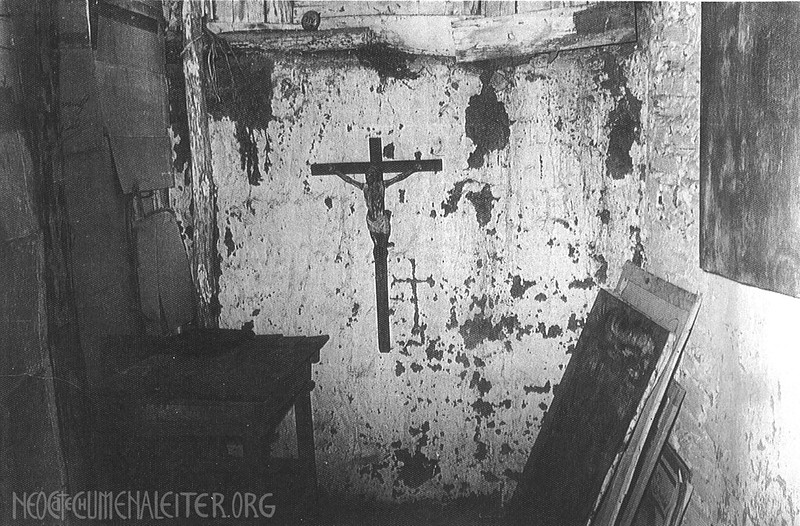
In fact, in November 1964, when Kiko was a young painter, he abandoned his career. Seeing in the suffering of the innocent the mystery of Christ crucified, and following in the footsteps of St. Charles de Foucauld—who sought to live the hidden life of Jesus in Nazareth—he decided to go live among the poorest people, in a shack on the outskirts of Madrid. Around him, as he prayed, played the guitar, and read the Bible, Gypsies, delinquents, and marginalized people gradually gathered, listening to the proclamation of the kerygma.
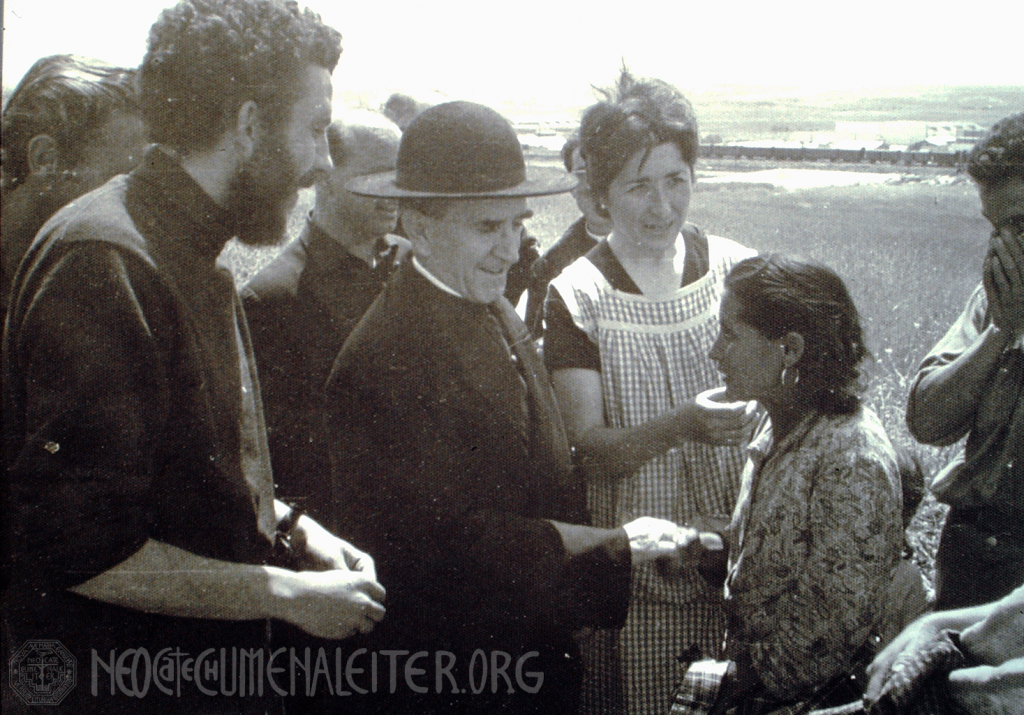
When, in August 1965, the Civil Guard arrived to tear down the shanties, Kiko managed to call the Archbishop of Madrid, Monsignor Casimiro Morcillo, who came immediately and stopped the demolition. The archbishop was deeply moved to see that small “community” of such poor people praying. The love and care that Carmen saw in Monsignor Morcillo convinced her to collaborate with Kiko, for she sensed that this community, which had formed spontaneously among the poor, was a work that came from God. It was the archbishop himself who encouraged them to bring this Christian Initiation to the parishes of Madrid; and so, in 1966, catechesis began in the center of Madrid. But it was the experience in the shantytowns that served as the “nursery” where this journey of rediscovering Baptism took shape, based on the three pillars of “Word, Liturgy, and Community,” and lived out, precisely, in a small community where love for one’s neighbor is experienced.
Thus, in the mid-1960s, without any pre-established plans and in a context of marginalization, this Christian Initiation for Adults was born; today it has spread to 138 nations across five continents, with more than 20,350 communities. Over the course of these sixty years, hundreds of families, along with their children, have dedicated their lives to evangelization; by leaving behind their comforts, they have made it possible for the Gospel message to reach the ends of the earth. Currently, there are about 2,000 families who continue this work of assisting bishops and parish priests, as itinerant catechists or missionaries in very poor areas, or sent ad gentes to the most de-Christianized regions. Among the fruits of this ecclesial reality are also the 116 Redemptoris Mater diocesan missionary seminaries, in which more than 3,400 priests have been formed; hundreds of cloistered nuns, as well as many celibate missionaries, both men and women. The Statutes of the Neocatechumenal Way were definitively approved by the Holy See in 2008 and the Catechetical Directory in 2010.